
Barbie, Hannah Montana, and Saturdays: sibling loss when your sister isn’t dead. By Melissa
Hi! I’m Melissa. I’m 21, and I’m in my last year studying English Lit at uni. I love all things creative – especially journaling and scrapbooking – but my deepest passion is early 2000s Barbie films! You can also follow me on socials…
- Substack: https://substack.com/@mmmelissa?
- Instagram: @_melissa.a.c ( https://www.instagram.com/_melissa.a.c/ )
Let me set the scene: Year 2 – family survey – I’ve just been asked how many siblings I have. Cue a profound sense of discomfort and sudden, uncontrollable tears, right there and then in the middle of my IT class.
How embarrassing.
Not because it actually was embarrassing – in fact, it was a very natural reaction for a little girl who had just lost her big sister to a court system she couldn’t (and still doesn’t) understand. A sister who was there, and then suddenly wasn’t: a missing child and a 6-year-old who couldn’t fathom where on earth she had gone. Yet I did feel embarrassed. I felt a deep sense of shame that I was so deeply distressed by the question, while not being able to articulate why. After all, she wasn’t dead. No bereavement counselling could offer help. No funeral, no closure, no grave to sit at. Just sisterhood, sibling, early mornings, and a built-in friend- and then nothing.
It felt silly to mourn the living, like if I were just patient enough, and good enough, she would come back.
This embarrassment has reared its ugly head a few times across the years. I felt like a light was being shone on me – ‘she’s the weirdo with an undead sister and now she’s caught the undead illness.’ Shame has crept into my teenage years too, and, in my first year of university, I tried to explain to my bemused ex-boyfriend why I was absolutely sobbing my eyes out at a Barbie music compilation.
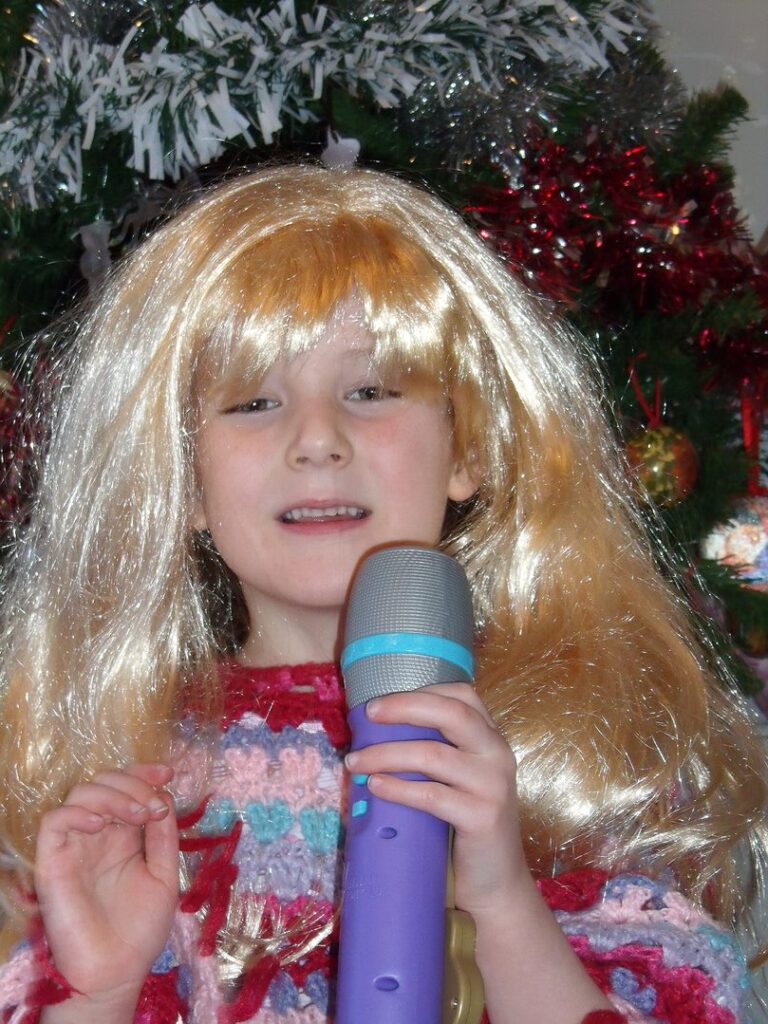
Talking to a friend – someone I met through my university’s brilliant Estranged and Care Experienced Student’s Association- I found that this weird relationship with nostalgia was something they related to as well. A feeling that there was a dark shadow obscuring parts of our childhoods, missing bits of information that we were never given, because we weren’t really ever considered. The truth was incomprehensible and painful to the adults involved, and so we grew up without really knowing why and how certain things happened to us, and what they meant. I wrote to the family courts involved in my family’s case but was told I counted as a ‘third person party’ and so couldn’t access documents about MY family and MY childhood – information I didn’t have at the time simply because I was literally six.
Estrangement is a constant fight. It is a grief that society isn’t comfortable discussing, and while people throw around the term ‘found family’ to describe friendship, no-one really talks about those who don’t have a neat little family to sit alongside platonic love. Those who don’t have a home to go back to, or who are still being haunted by an undead relative. Consequently, I didn’t really process that other people had gone through similar things to me. I felt on an island of grief- after all, no one had ever really even brought up the word ‘estrangement’ before. Uni has really marked a turning point, and I’ve actively sought out community. In first year, I got involved in Vintage Barbie Society as a way of building new, different memories associated with Barbie. Last year, I joined my uni’s Estranged and Care Experienced Student’s Association – a brilliant, compassionate group of people I deeply relate to – and this year I’ve been writing short essays and poems (and this blog!). Community is hiding around corners; taking the jump is scary, but so important.
I refuse to be embarrassed nowadays. I grieve loudly, and I know there’s nothing shameful about mourning the living.
Here are a few resources I’d recommend:
- If Birds Fly Back’ by Carlie Sorosiak – a book about estrangement, grief, and love.
- If we don’t laugh, we’ll cry – a podcast about grief on Spotify
- Grieving when estranged, musical hallucinations and the benefits of snoozing your alarm: All in the Mind – BBC Sounds podcast.