
The Hidden Costs of Being Estranged. By Uwais
My name is Uwais and I live in England. I’ve always had a strong passion for football, it’s more than just a hobby for me, it’s something I genuinely enjoy following and playing. Whether it’s watching matches or keeping up with teams and players and playing it, football is a big part of my life. Alongside that, I’m also really dedicated to staying active and healthy, which is why I make it a priority to go to the gym every week. I enjoy pushing myself, improving my fitness, and building discipline through regular training. For me, the gym isn’t just about physical strength, but also about maintaining a strong mindset and consistency.
When people talk about the cost of university, the conversation almost always begins and ends with tuition fees, rent, and the price of a weekly food shop. What’s rarely discussed is the cost of doing it all alone.
Being an estranged student means navigating university life without the safety net many others take for granted. It’s a reality that often stays hidden, partly because it’s deeply personal, and partly because it doesn’t fit neatly into the typical student narrative. But the truth is, the costs, both financial and emotional, can run far deeper than most people realise.
One of the most immediate challenges is housing. For many students, going home during holidays is a given. For estranged students, that option doesn’t exist. Accommodation contracts don’t always cover the full year, leaving gaps that can be stressful and expensive to fill. Year-round housing isn’t just a convenience, it’s a necessity. And securing it often means paying more, planning further ahead, and living with a constant underlying uncertainty about where you’ll stay next.
Then there’s the lack of a financial safety net. Unexpected expenses, whether it’s a broken laptop, medical costs, or even just a tight month, can quickly become overwhelming. Many students have someone they can call in those moments. Estranged students don’t. I don’t. Every financial decision carries more weight because there’s no backup plan. This can lead to taking on extra work, sacrificing time that could be spent studying, resting, or simply being a student.
But the financial strain is only one side of the story. The emotional cost is just as significant, if not more so. Living without family support can be isolating, especially in an environment where conversations about “going home” or “asking parents for help” are so normalised. It can feel like you’re constantly navigating a world that wasn’t designed with your circumstances in mind.
Mental health pressures often build quietly in the background. There’s the stress of independence, the weight of responsibility, and the emotional impact of estrangement itself. On top of that, managing a hidden disability adds another layer of complexity. When something isn’t immediately visible, it can be harder to explain, harder to access support, and easier for others to overlook. Yet its impact is real and constant.
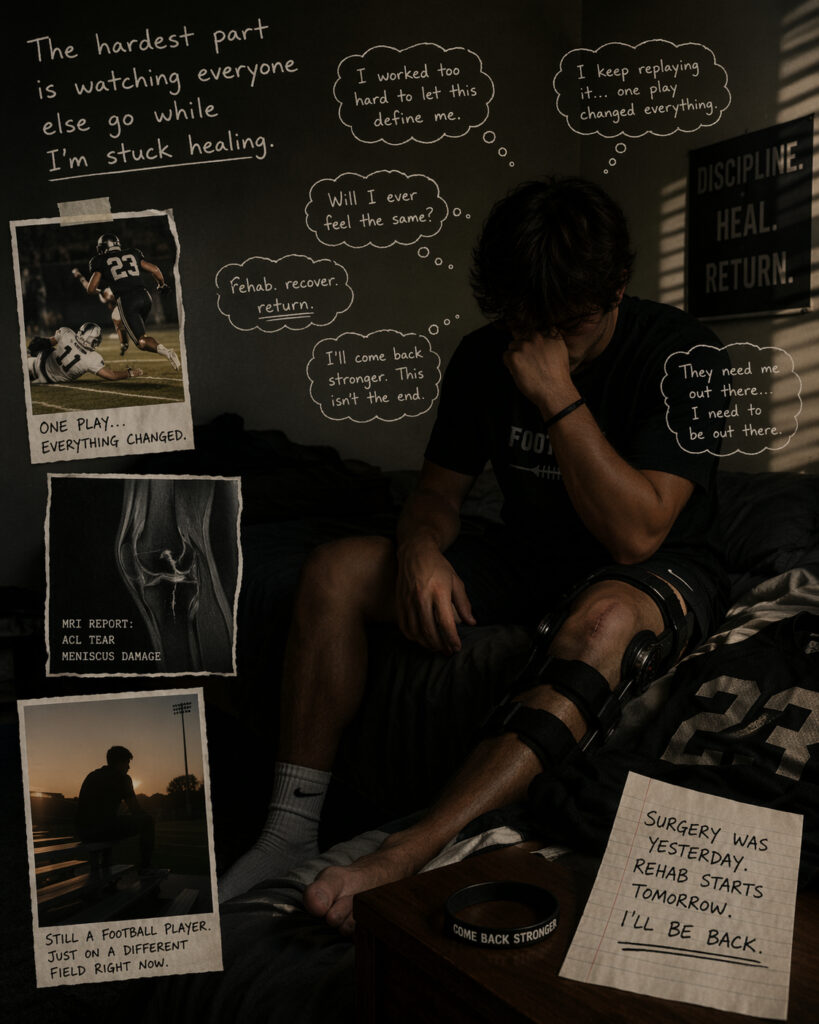
For me, recovering from a knee injury has made everything even more challenging. Football was far more than just a hobby, it was a release, a structure, and a form of stability. Losing that, even temporarily, has meant losing a key coping mechanism I needed and access to a local community. When something that grounds you is suddenly gone, the gaps it leaves can be difficult to fill and I have found that it has a very big effect on me.
These experiences highlight something important, the cost of being an estranged student isn’t just about money. It’s about the emotional labour of constantly holding things together, the resilience required to keep going, and the quiet strength it takes to navigate a system that often overlooks you.
This is why we need conversations around estrangement. The more we talk about it, the more we can push for better support, whether that’s year-round accommodation, targeted financial aid, or more accessible mental health services.
Because no student should have to carry all of this alone.
Get Involved & Get Supported
Want to write your own blog? Submit a pitch here at https://bit.ly/AoUBlogPitch. Successful blogs are paid at £20.
Specific to this Blog
- Disabled Students’ Allowance (DSA) is support to cover the study-related costs you have because of a mental health problem, long-term illness or any other disability. You do not need to pay back DSA. You CAN apply whilst already studying, get in touch with your Student Advice Centre at your HE institution. Read the guide on Compare the Market.
There are several advocacy and support lines out there for care experienced and estranged students.
- In Wales/Cymru: CE support is from Voices from Care Cymru advocacy line online or at 02920 451431.
- In Scotland/Alba: CE support is from Who Cares? Scotland online or at 0330 107 7540.
- In Northern Ireland: CE support is from VOYPIC online or at 028 9024 4888.
- In England: CE support is from the Care Advice Line (Become) at 0800 023 2033, via WhatsApp at 0786 003 4982, or by email at advice@becomecharity.org.uk. There is also Help at Hand (Children’s Commissioner) at 0800 528 0731 or emailing help.team@childrenscommissioner.gov.uk.
- Together Estranged (TE) is a non-profit that supports and empowers estranged adult children.
- Dunbar Project is a mental health organisation dedicated to addressing the adoptee mental health crisis.
Wider Support
- The National Association for People Abused in Childhood (NAPAC) supports adult survivors of any form of childhood abuse, and offers both free helpline and email support.
- UniAdvocates are trained Independent Advocates who listen to a student’s concerns, explain options available to them, and facilitate action. Request a UniAdvocate online or contact them at student@adventadvocacy.co.uk or call their office on 01325 776 554.
- The Mix general and specific for young people aged 16-25, and they also have peer support from other young people in The Mix Community.
- Citizens Advice support, which is available across all four nations of the UK, and can be online, in-person or over the phone.
- Money Helper has some guidance on financial abuse: spotting the signs and leaving safely.