What’s in a name?: Marilyn Monroe at 100. By Charlotte
Hi, I am Charlotte Danielle and I am a 2nd-year PhD student at the University of St Andrews. I am really deeply interested in economics, politics, killer whales and the Beatles. Blog content warning: mention of abuse, including sexual.
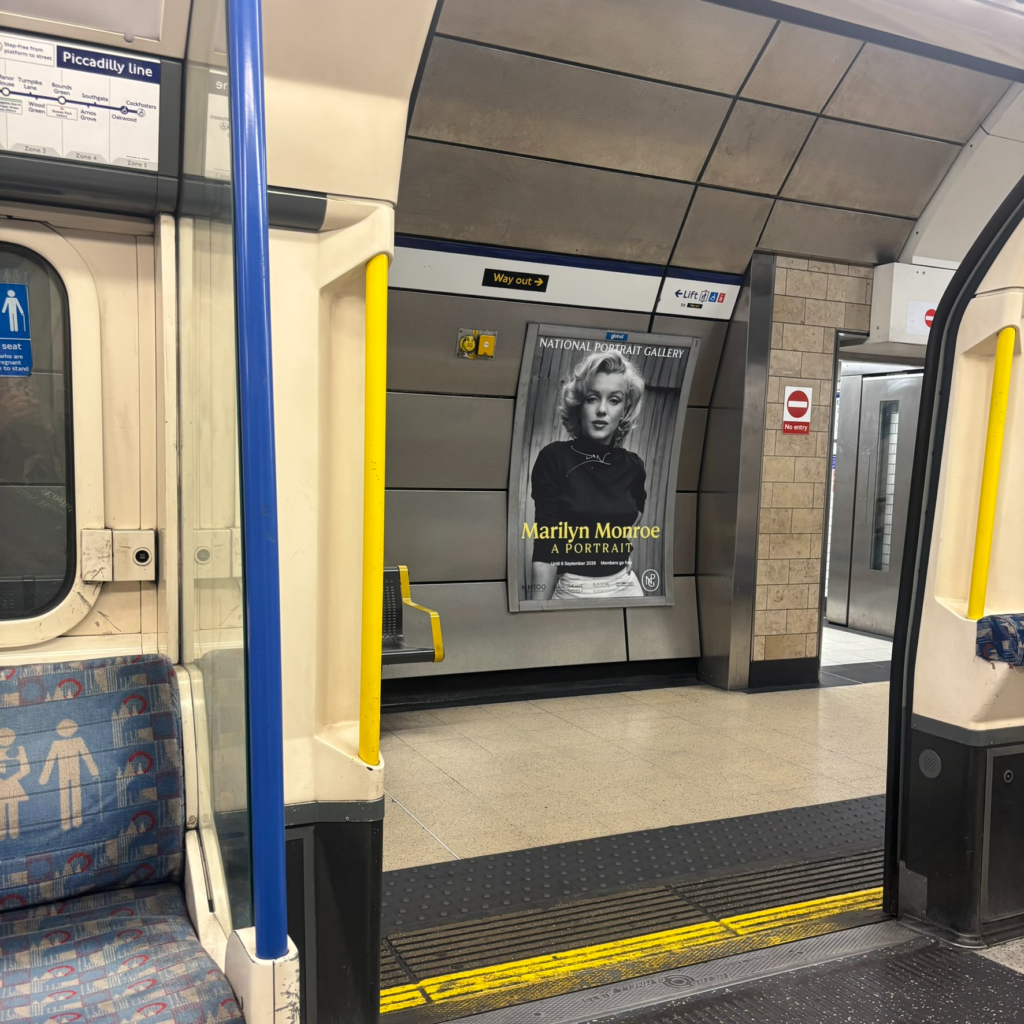
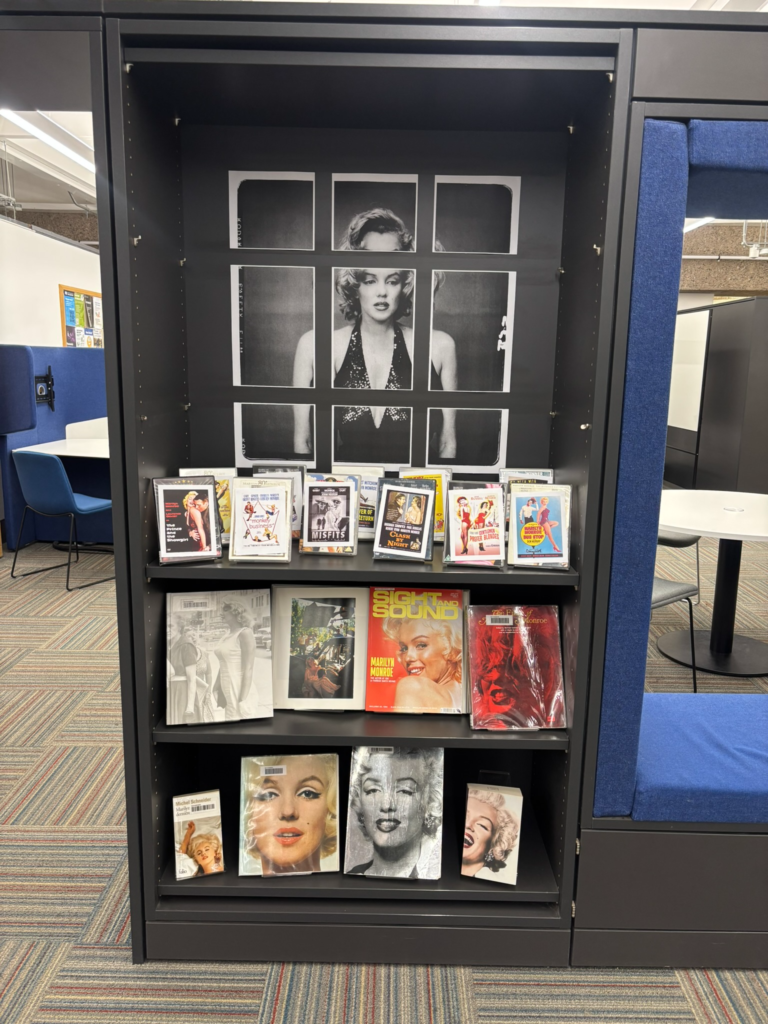
Marilyn Monroe would’ve turned 100 this month. Of course, most people probably know this by now, potentially against their will. Her face is everywhere, from my local university library displaying her photos and copies of her old movies, to advertisements on the London Underground as I made my way to a widening participation event in the City of London.
She shared a birth year with national hero, David Attenborough, who turned 100 a month prior. However, I could not help but notice the difference in how the two birthdays were recognised and celebrated. David was (rightfully) celebrated for who he is: a highly intelligent environmentalist and ecologist. Marilyn was largely only celebrated for her looks: despite her own intelligence, creativity and complexity.
On 1st June 1926 (making her a Gemini like myself), Norma Jeane Mortenson was born into a turbulent childhood, which many of us in the CE/E will recognise. Even before her mother, Gladys Pearl Baker, was born in Piedras Negras in Coahuila, México, into a poor family originally from the Midwest who then migrated back to California at the turn of the century. At only 14, Gladys had married an abusive man nine years older than her. Before divorcing, they had two children, Marilyn’s step-siblings, who she only learned about around her teenage years.
Likely as a result of the abuse, Gladys had a mental breakdown in January 1934 and was diagnosed with paranoid schizophrenia. Marilyn was only 7 years old when her mother was admitted as an inpatient to Metropolitan State Hospital. Gladys spent the rest of her life in and out of hospitals and Marilyn ended up estranged from her because of this. Marilyn had now become a Ward of the State – or as we put it here in the UK, she went into the (Care) System. For a while Marilyn lived with a foster family (the Atkinsons) and was likely sexually abused during this time. She became withdrawn, anxious and developed a stutter. Just over a year later, in September 1935, she was placed into Los Angeles Orphans Home.
Then, in a story familiar with so many care experienced people, she was moved again to a kinship arrangement when her mother’s friend, Grace Goddard, became her legal guardian and then took her from the orphanage in 1937, when she was just 11. Again, she was allegedly molested and abused – and ended up in various precarious kinship and informal arrangements with friends, family and the state.
Aged 12 she was moved again and lived with Grace’s Aunt, Ana Lower, but then due to Lower’s health problems, she returned to live with the Goddards when she was 14. By 1942, the Goddards wished to move but California child protection laws prevented them from taking her out of the state. At risk of returning to the orphanage yet again, Marilyn left high school early and married James Dougherty (a neighbour) who was five years her senior. She was just a child at 16, and he was already well into his twenties.
Alongside both being blonde Geminis, I see my story in Marilyn too. One of my parents had a similar diagnosis to Marilyn’s mother. I left home at 17 and I now have plans to make it big in America, only on the East Coast within my discipline of policy, so not exactly the same as acting. But still…
Like Marilyn, I also have a complex relationship with the name I used growing up, which was a shortened version of Charlotte. I still recoil if I (rarely) hear it today. I don’t even particularly like the name Charlotte due to the fact it was chosen by my mother so she could use the nickname. She liked the nickname so much, in fact, Charlotte only legally became my name months after I was born, I was originally Danielle. Marilyn chose a name for herself (with the help of Ben Lyon), and in a way I am choosing the name Charlotte for myself, too, over the name bestowed on me as a child. All the names: Norma, Marilyn, my ex-nickname and Charlotte all come with their complexities and baggage, but there is something about rejecting the name an unsafe adult gave you, and never having to hear it again.
It is also important to note that Marilyn also built her own network, much like many of us do in the CE/E community. Not only did she bring herself up from her background, she also used her position to advocate for the rights of her friends, such as helping Ella Fitzgerald navigate racism within the music industry, and personally showing up for her friends during all the nights of her official run at Mocambo. Marylin understood that life for people without the right networks from birth is deeply unfair, and made sure that she would use her position to improve life for others too.
But I worry about what happened to Marilyn due to her name, too. The name is now a brand, something that is used to objectify her and often other women in the process. Her rich, complex career and personality reduced down to a ‘dumb blonde’ stereotype. Her complex relationships with men harshly branded as promiscuity instead of a woman who loved, was often abused and lost: especially since the men she dated are not held to the same standard. Why is it that we celebrate men’s achievements as theirs but Marilyn’s as not achievements forged by her own grit and intelligence, but simply because she had a pretty face?
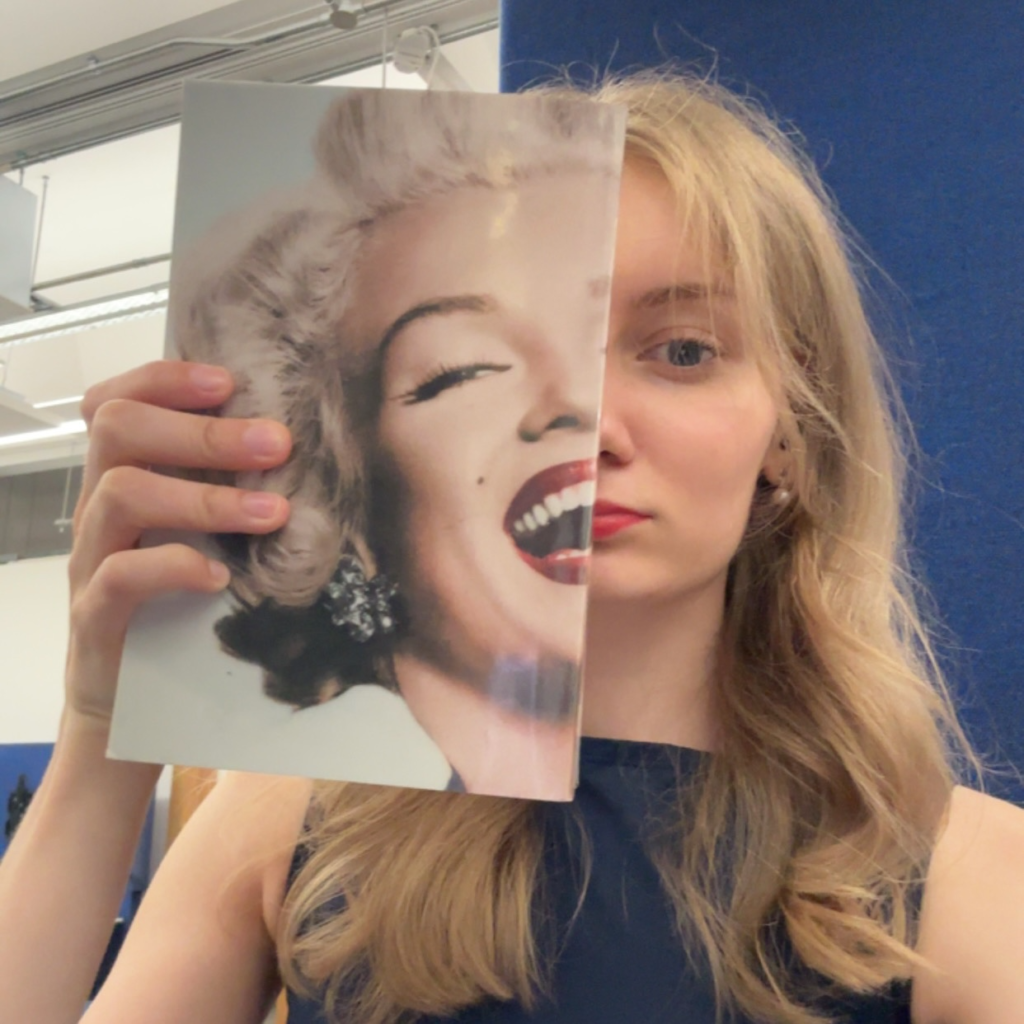
As I glance over to the display of Marilyn in my university library, I wonder about how we can break the stigma around care experience, estrangement and difficult childhoods in general. We can change our names and build incredible lives, but that should not come at the cost of sanitising who we are and what happened to us. On Marilyn’s 100th Birthday, I not only remember an incredible woman, but a scared child who did not know what she was capable of yet.
We also don’t know what we will achieve in life yet despite our backgrounds, and how exciting is that?
Sources
- Spoto, Donald (2001). Marilyn Monroe: The Biography. Cooper Square Press. ISBN 978-0-8154-1183-3.
- Banner, Lois (2012). Marilyn: The Passion and the Paradox. Bloomsbury. ISBN 978-1-4088-3133-5
- Hall, Susan G. (2006). American Icons: An Encyclopedia of the People, Places, and Things that Have Shaped Our Culture. Greenwood Publishing Group. ISBN 978-0-275-98429-8.
Get Involved & Get Supported
Want to write your own blog? Submit a pitch here at https://bit.ly/AoUBlogPitch. Successful blogs are paid at £20.
There are several advocacy and support lines out there for care experienced and estranged students.
- In Wales/Cymru: CE support is from Voices from Care Cymru advocacy line online or at 02920 451431.
- In Scotland/Alba: CE support is from Who Cares? Scotland online or at 0330 107 7540.
- In Northern Ireland: CE support is from VOYPIC online or at 028 9024 4888.
- In England: CE support is from the Care Advice Line (Become) at 0800 023 2033, via WhatsApp at 0786 003 4982, or by email at advice@becomecharity.org.uk. There is also Help at Hand (Children’s Commissioner) at 0800 528 0731 or emailing help.team@childrenscommissioner.gov.uk.
- Together Estranged (TE) is a non-profit that supports and empowers estranged adult children.
- Dunbar Project is a mental health organisation dedicated to addressing the adoptee mental health crisis.
Wider Support
- The National Association for People Abused in Childhood (NAPAC) supports adult survivors of any form of childhood abuse, and offers both free helpline and email support.
- UniAdvocates are trained Independent Advocates who listen to a student’s concerns, explain options available to them, and facilitate action. Request a UniAdvocate online or contact them at student@adventadvocacy.co.uk or call their office on 01325 776 554.
- The Mix general and specific for young people aged 16-25, and they also have peer support from other young people in The Mix Community.
- Citizens Advice support, which is available across all four nations of the UK, and can be online, in-person or over the phone.
- Money Helper has some guidance on financial abuse: spotting the signs and leaving safely.