What Happens After Care Ends? My Search for Belonging Through Music. By Ana
Hiiiii, I’m Ana. Although I’m originally from Bucharest, Romania, I’ve been living in London for the past 19 years. Everything changed when my dad passed away 12 years ago, and that’s when I settled here. Over time, London started to feel like home. No matter where I go in the world, I feel more like me here than I do in my own country.
So, about me: I love singing, writing, playing the piano and expressing myself and my emotions creatively. I am a care leaver with several qualifications and achievements up my sleeve, from the Jack Petchey Award in 2016 to recently graduating from ICMP (The Institute of Contemporary Music Performance) with a BA in Creative Musicianship. Oh, and yeah, I am an alt-soul artist under the name Anna-DiamØnd, turning life experiences and complex emotions into inspiring songs. You can stream my music everywhere and follow me on my socials: @annadiam0nd (Romanian music TikTok: @anadiamant).
The Beginnings
I first came to London in 2007, when my dad brought my mum and me from Bucharest, Romania, with little savings, hoping for a better life. I knew zero English; my dad was the only one who spoke it. Through him, the TV and my surroundings, I learned to speak and write English.
We lived through uncertainty, moving between homes and even countries, and experiencing periods of rough sleeping. I had never been to school, so I had little opportunity to belong or make friends. My mum and dad were my whole world, with my dad being the person I felt safest with.
Six years later, my sister was born in London. Four days later, social services took her away and took me into care too. Because I was close to my dad, I ran away back to him after one night in care.
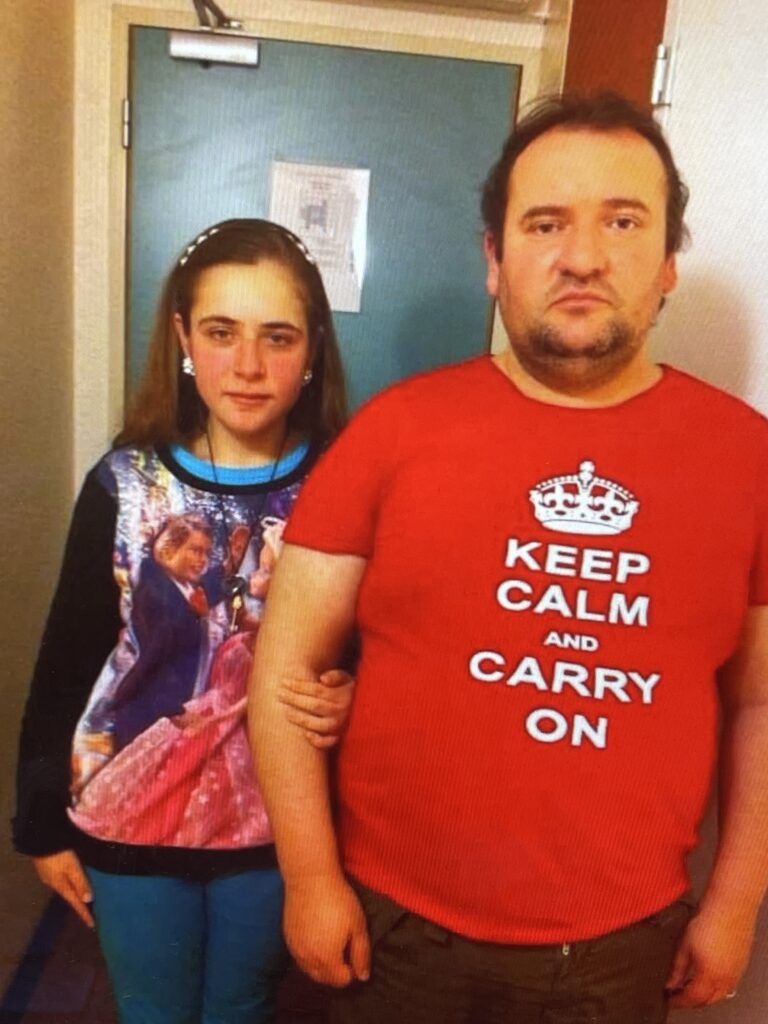
A year later, after turning 15, my dad became seriously ill and was hospitalised. A family friend, a pastor, helped us find a flat and supported us with rent, benefits and enrolling me in school. For someone who had never attended school, this was a huge stepping stone. But my dad was in a coma with a heart condition and failing organs. Months later, while attending school, I learned that he had died.
The Aftermath
My world collapsed, and a void was left in my heart. The years that followed were difficult. I was bullied at school, struggled to make friends and often felt like I didn’t belong. At home, my mum was often unable to be there for me.
I had to grow up. I was taking care of my mum while trying to take care of myself, and I became a breadwinner at a young age, starting my first job at 16. Music had always been in me, and losing my dad became a catalyst for finding my voice.
In Care
When I entered care again at 17, in December 2016, I was already independent in many ways. I was studying IT alongside GCSE Maths and English and had started working. Care gave me something I needed: safety and stability. I had my own room, an allowance and support with appointments and everyday things. I was encouraged to become more independent, but I still struggled to feel like I belonged.
After Care
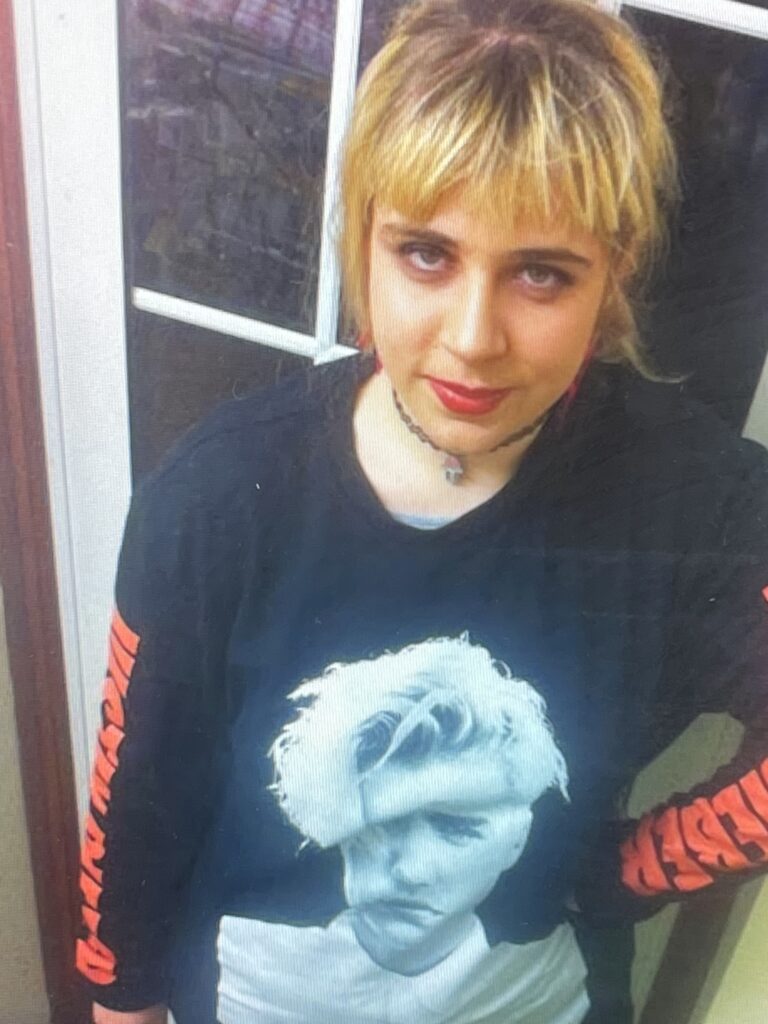
When I turned 18, I left care and returned to my mum. I was advised not to go back, but I missed her and didn’t know what else to do. I spent the following years studying, working and building a life for myself.
What I found hardest was not knowing what support existed or how to access it. Even as a student, I had to prove my independence to Student Finance, despite having worked and cared for my mum for years. College and later university gave me people who supported me, but those communities could be temporary. When courses ended, I found myself searching again for
somewhere to belong.
Now, at 27, I sometimes miss the safety and stability I had in care. As a child, there was a system around me. As an adult, I have often felt expected to figure things out for myself. I still wonder what support might have looked like if I had known what was available, or if it had continued for longer.
Finding My Voice
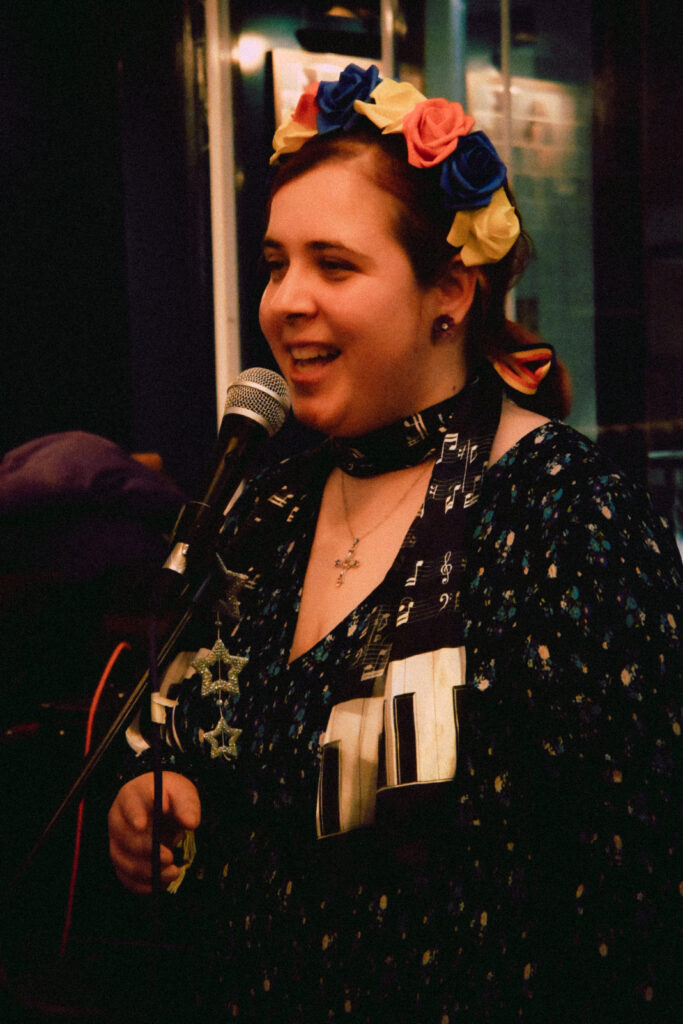
At 18, I began studying music and slowly started performing, writing songs and finding confidence. Music became the place where I could express emotions I couldn’t always explain through words.
I am still searching for where I belong, but I know I have found my voice. There is more to my story that I hope to tell one day, perhaps through my music. But for now, this is me. This is my story.
Be kind and never give up <3
Ana Constantin aka ANNA-DIAMØND
—
Get Involved & Get Supported
Want to write your own blog? Submit a pitch here at https://bit.ly/AoUBlogPitch. Successful blogs are paid at £20.
There are several advocacy and support lines out there for care experienced and estranged students.
- In Wales/Cymru: CE support is from Voices from Care Cymru advocacy line online or at 02920 451431.
- In Scotland/Alba: CE support is from Who Cares? Scotland online or at 0330 107 7540.
- In Northern Ireland: CE support is from VOYPIC online or at 028 9024 4888.
- In England: CE support is from the Care Advice Line (Become) at 0800 023 2033, WhatsApp at 0786 003 4982, or email advice@becomecharity.org.uk. There is also Help at Hand (Children’s Commissioner) at 0800 528 0731 or emailing help.team@childrenscommissioner.gov.uk.
- Together Estranged (TE) is a non-profit that supports and empowers estranged adult children with online advice, meetings & events.
- Dunbar Project is a mental health organisation dedicated to supporting adult adoptees and addressing the adoptee mental health crisis.
Wider Support
- The National Association for People Abused in Childhood (NAPAC) supports adult survivors of any form of childhood abuse, and offers both free helpline and email support.
- UniAdvocates are trained Independent Advocates who listen to a student’s concerns, explain options available to them, and facilitate action. Request a UniAdvocate online or contact them at student@adventadvocacy.co.uk or call their office on 01325 776 554.
- The Mix general and specific for young people aged 16-25, and they also have peer support from other young people in The Mix Community.
- Citizens Advice support, which is available across all four nations of the UK, and can be online, in-person or over the phone.
- Money Helper has some guidance on financial abuse: spotting the signs and leaving safely.